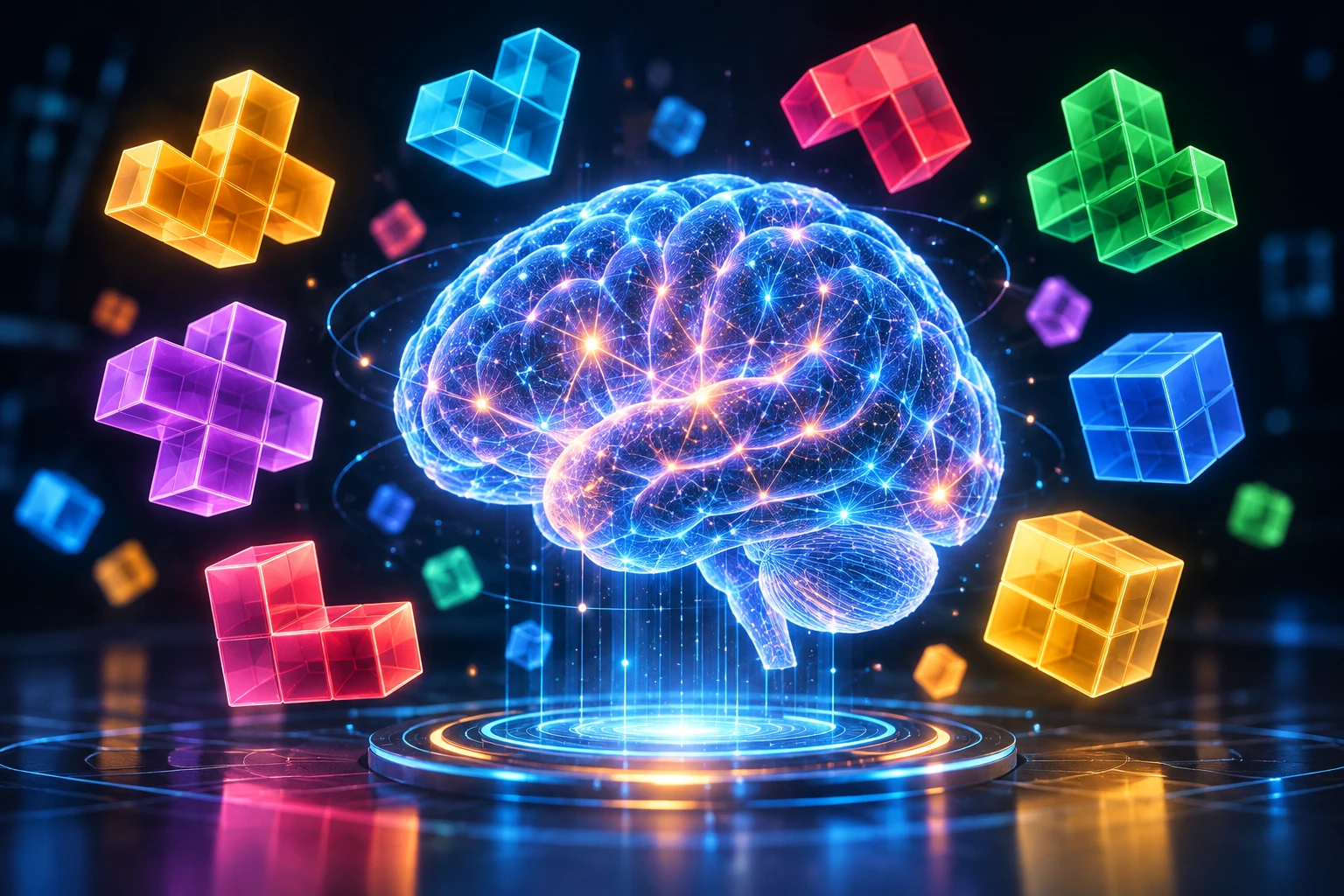
How Casual Puzzle Games Improve Cognitive Focus
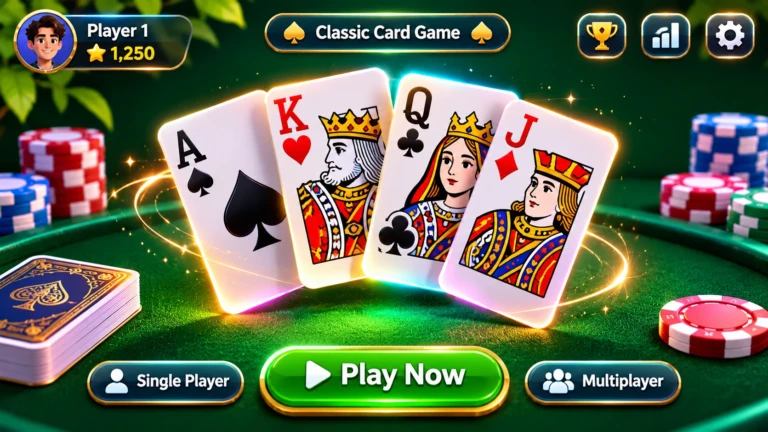
🕹️ Play Now: Give your brain a quick cognitive workout with our free Classic Brick Game Online Tool.
While video games are often categorized as passive entertainment, scientific research demonstrates that playing structured, fast-paced spatial puzzle games provides measurable cognitive benefits.
Engaging in short sessions of casual block-stacking brick games acts as an mental warm-up, sharpening spatial processing, working memory, and tactical focus.
1. Enhances Spatial Reasoning and Mental Rotation
Spatial reasoning is the cognitive ability to visualize, rotate, and manipulate 2D and 3D geometric shapes in your mind.
- Real-Time Spatial Assessment: As falling bricks descend, your brain must calculate rotation angles and fit constraints within fractions of a second.
- Transferable Problem-Solving Skills: Strong spatial awareness correlates with improved performance in fields like software engineering, architecture, graphic design, and mathematics.
2. Strengthens Working Memory and Executive Function
Executive function governs your ability to plan, focus attention, remember instructions, and juggle multiple tasks successfully.
- Pattern Anticipation: Players must simultaneously process the active descending brick, scan the existing grid layout for open slots, and track the upcoming block preview.
- Micro-Decision Speed: Rapidly placing falling blocks trains your mind to make firm decisions under time pressure without second-guessing.
3. Promotes Stress Relief and Cognitive “Flow State”
Engaging in repetitive, structured puzzle tasks helps quiet mental clutter and anxiety:
- The Flow State: When game challenge perfectly balances player skill, your brain enters a relaxed state of deep concentration (“flow”).
- Productivity Rest Breaks: Taking a 5-minute break to play a casual game helps reset mental fatigue during long coding or writing sessions.
Try a quick cognitive session now on our interactive Classic Brick Game Online Tool.
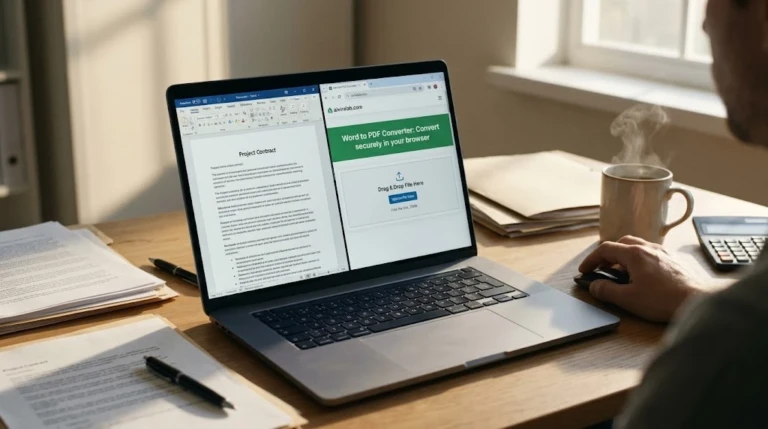
Explore our broader collection of digital utilities in our Word to PDF Converter & Web Tools Guide.
Frequently Asked Questions (FAQ)
How long should a cognitive puzzle break last?
Short 5-to-10-minute puzzle sessions during work breaks provide optimal cognitive stimulation without inducing mental exhaustion.
Can casual puzzle games help improve focus for developers and students?
Yes. Engaging in spatial problem-solving games activates the prefrontal cortex, helping reset mental focus before diving into complex logic tasks.