The History and Evolution of Retro Brick Games: From Arcade Cabinets to Web Browsers
🕹️ Play Now: Want to experience classic arcade nostalgia live? Play our free Classic Brick Game Online Tool directly in your browser.
Long before modern smartphones, ray-traced graphics, and virtual reality headsets dominated the gaming industry, simple monochrome block-stacking games captured the imagination of millions around the globe.
Understanding the history of brick puzzle games reveals how minimal design, addictive gameplay loops, and mathematical constraints created one of the most enduring game genres in human history.
The Birth of Block Puzzle Games (1970s–1980s)
The foundation of tile-matching and brick-stacking games originated in early computer research laboratories:
- Arcade Origins: Early arcade titles introduced the concept of bouncing balls off movable paddles to destroy rows of destructible bricks.
- The Falling Block Revolution: In 1984, computer engineers developed the falling-block puzzle mechanic using simple text characters (
[]) on monochrome terminal monitors. - Geometric Simplicity: Using geometric shapes made of four square blocks (tetrominoes), developers tapped into spatial orientation psychology.
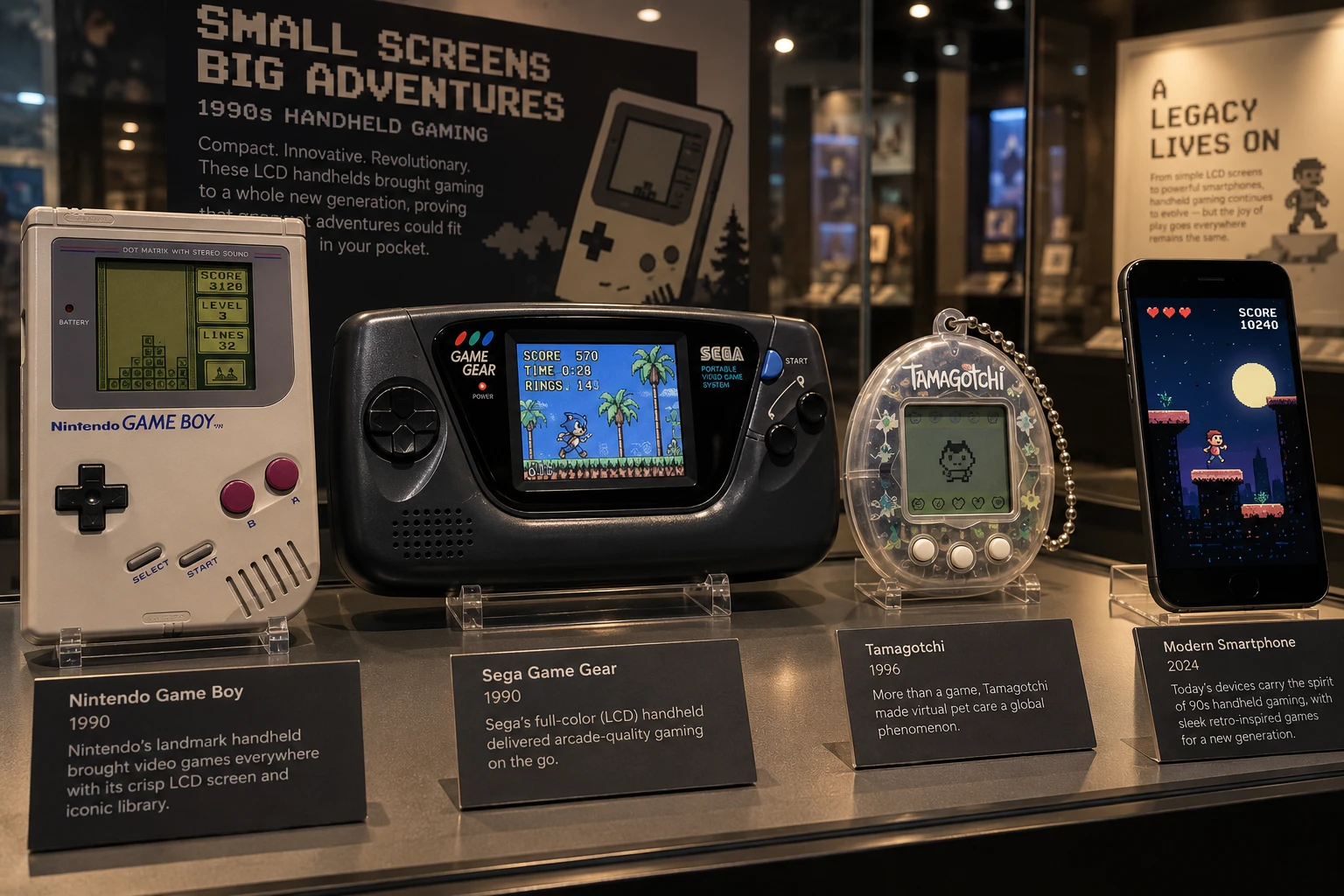
The Handheld LCD Explosion of the 1990s
During the late 1980s and 1990s, microchip manufacturing costs dropped dramatically. This paved the way for cheap, battery-powered handheld gaming consoles featuring segmented LCD screens.
- “9999-in-1” Handheld Consoles: Millions of yellow and grey plastic handheld devices flooded global markets. While advertised as having thousands of games, most were variations of classic block stacking, brick shooting, and line clearing.
- Accessibility for Everyone: Because these devices were inexpensive and durable, brick games became a universal cultural phenomenon enjoyed across all age demographics.
Modern Revival: Browser Games and Web Utilities
Today, retro brick games have migrated from dedicated handheld hardware to web browsers powered by modern HTML5 Canvas and JavaScript engines.
- Zero Download Gaming: Users can play classic arcade games instantly on desktop or mobile browsers without app store installations.
- Web Integration for Content Creators: Website owners now embed retro arcade tools to boost user dwell time and lower bounce rates.
Test your block-stacking skills live today on our Classic Brick Game Online Tool.
Discover more digital tools and utilities inside our Word to PDF Converter & Web Tools Guide.
Frequently Asked Questions (FAQ)
Why were early handheld brick games restricted to LCD matrix screens?
Segmented LCD screens required minimal power and processing performance, enabling device batteries to last for months while maintaining affordable retail prices.
What makes falling brick games psychologically addictive?
Block puzzle games trigger our natural psychological desire to organize chaos, complete incomplete patterns, and clear clutter.