How to Track Daily Expenses Effectively: A Complete Step-by-Step Guide
📊 Free Template: Download our Personal Expense Tracker Spreadsheet to start logging your expenses today.
Gaining control over your personal finances starts with one fundamental habit: tracking your daily expenses. Many people create monthly budgets with the best intentions, only to find their savings depleted by the end of the month due to unmonitored daily spending.
In this comprehensive guide, we will explore practical strategies, category frameworks, and actionable routines to help you track daily expenses effectively and build long-term financial stability.
Why Daily Expense Tracking Matters
Tracking expenses on a daily basis provides immediate visibility into your purchasing behavior. Rather than waiting for monthly bank statements to reveal overspending, daily logs give you real-time awareness.
Key Benefits of Daily Tracking:
- Behavioral Awareness: Seeing your daily numbers reduces impulsive spending.
- Accurate Budget Alignment: Ensures variable costs (groceries, dining, entertainment) stay within planned boundaries.
- Faster Goal Achievement: Maximizes surplus income that can be directed toward emergency funds or investments.
Step 1: Establish Clear Expense Categories
To make tracking simple and meaningful, group your spending into three primary categories:
- Fixed Essential Expenses: Recurring monthly bills with predictable amounts (e.g., rent, mortgage, insurance, subscription plans).
- Variable Essential Expenses: Necessary living costs that fluctuate weekly (e.g., groceries, fuel, public transit, utilities).
- Discretionary Spending: Non-essential lifestyle choices (e.g., restaurant dining, hobbies, shopping, entertainment).
Step 2: Choose the Right Tracking Routine
Consistency is far more important than complexity. Choose a system that fits seamlessly into your daily routine:
- End-of-Day Review: Spend 5 minutes every evening reviewing physical receipts or bank notifications and entering them into your tracker.
- Real-Time Logging: Input purchases into a mobile spreadsheet immediately after payment.
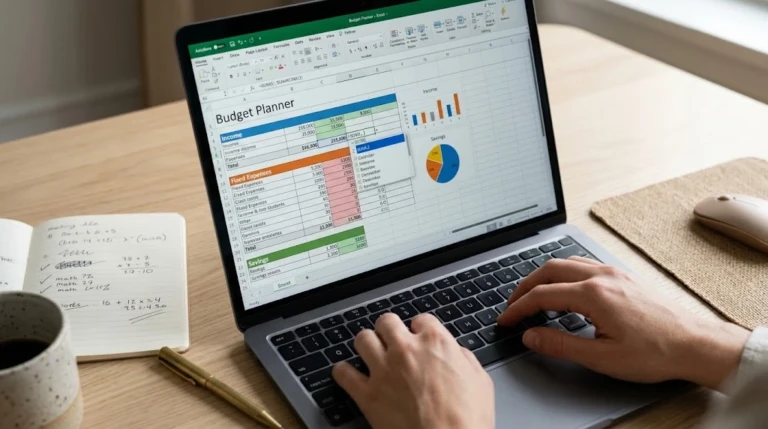
Using a pre-formatted tool like our Personal Expense Tracker Spreadsheet makes this process effortless by automating row totals and category summaries.
Step 3: Conduct Weekly Financial Audits
A daily tracking habit is most effective when paired with a weekly review. Set aside 10 to 15 minutes every weekend to analyze your spending trends:
- Identify categories where spending exceeded expectations.
- Adjust discretionary limits for the upcoming week to compensate for overages.
- Compare total spending against your overarching budget roadmap.
To build a full, multi-tiered financial strategy, read our step-by-step Personal Budget Guide.
Common Expense Tracking Mistakes to Avoid
- Ignoring Small Transactions: Forgetting $3 to $5 daily coffee or snack purchases can skew your monthly budget by over $100.
- Over-Complicating Categories: Creating dozens of hyper-specific categories leads to burnout. Stick to 6-8 core categories.
- Skipping Regular Reviews: Logging expenses without reviewing totals defeats the purpose of tracking.
Frequently Asked Questions (FAQ)
What is the best way to track daily cash expenditures?
Keep physical receipts in your wallet or make a quick note on your smartphone, then log the totals into your master spreadsheet during your evening review.
How detailed should daily expense descriptions be?
Keep descriptions brief (e.g., “Weekly Groceries” or “Fuel”). The most important element is assigning the correct category and numerical value.
Bottom Callout (Links to Pillar & Tool):
📖 Financial Resources:
- Return to the main guide: Personal Budget Guide
- Download the template: Personal Expense Tracker Spreadsheet